Bringing a puppy home feels like pure joy until the vet paperwork shows up. Somewhere between the food bowl and the first night of crying sits one job that can't wait: getting the puppy vaccination schedule right. These early shots protect a tiny, still-developing immune system from diseases that can be fatal, and timing matters more than most new owners expect.
This guide walks through every stage, from the first appointment at six weeks to the one-year booster. You'll find a quick reference chart, plain-language explanations of each vaccine, rough cost ranges, and honest advice on when your pup can finally meet the world. For help with everything from breeds to daily care, you can also browse the rest of Dogzora.
Why Puppies Need a Series of Vaccines
Newborn puppies borrow protection from their mother's first milk. Those maternal antibodies are a real gift, but they fade at an unpredictable pace, usually somewhere between six and sixteen weeks of age. While they linger, they can also block a vaccine from working. That's the main reason a puppy series of shots exists instead of one single jab.
The Protection Gap
Picture a window that opens slowly. Early on, the mother's antibodies guard the puppy but also cancel out the vaccine. Later, they drop low enough for the vaccine to work, yet nobody can say on which day that happens for your particular puppy. Giving doses every few weeks catches the moment. The last dose, given at around sixteen weeks or later, makes sure at least one shot lands after the mother's protection is gone.

How Many Rounds to Expect
Curious how many rounds of shots puppies need? Most receive three to four rounds of the combination vaccine, spaced two to four weeks apart. Rabies and any optional vaccines are layered on top at specific ages. Your vet may tweak the spacing if your puppy was ill, started late, or lives in an area with higher disease risk.
Puppy Vaccine Schedule Chart: Shots by Age
Use this chart as a starting point. Your vet will adjust it based on your puppy's health, your region, and local disease risks.
| Puppy's Age | Vaccines Usually Given | Good to Know |
|---|---|---|
| 6–8 weeks | Combination vaccine (dose 1) | Bordetella may be offered if your puppy will board or attend classes |
| 10–12 weeks | Combination vaccine (dose 2), leptospirosis (dose 1) | Canine influenza dose 1 is optional |
| 14–16 weeks | Combination vaccine (dose 3), rabies, leptospirosis (dose 2) | Influenza dose 2 if started; some puppies need a fourth combination dose |
| 12–16 months | Combination booster, rabies booster | Later boosters follow a 1–3 year rhythm |
Tip: print this page or screenshot the table, then write your puppy's real dates beside each row. Lost paperwork is one of the most common reasons owners fall behind.
6 to 8 Weeks: The First Visit
So, when do puppies get their first shots? Usually between six and eight weeks old. The 1st vaccine for puppies is almost always the combination shot, and the visit also covers a full exam, weight check, and a deworming conversation. If you bought from a breeder, ask for any records they've already started.
10 to 12 Weeks: Building Immunity
The second round reinforces the first and often brings in leptospirosis protection. This is also a great time to ask your vet about a flea, tick, and heartworm plan, since many clinics bundle these discussions with shot visits.
14 to 16 Weeks: The Final Puppy Round
This round is the big one. It's when many pups receive their rabies vaccine and the last combination dose. People often ask when puppies are fully vaccinated, and the honest answer is about one to two weeks after this final round, once the body has had time to build a strong response.
12 to 16 Months: The First Booster
The year-one booster closes the loop. Without it, protection from the puppy series can slip. Put a reminder in your phone the day you leave the final puppy appointment.
Core Vaccines Every Puppy Needs
Core vaccines are the ones recommended for essentially every dog, regardless of lifestyle. They protect against illnesses that are widespread, severe, or both.
Distemper
The distemper vaccine guards against a virus that attacks the respiratory, digestive, and nervous systems. It spreads through the air and through shared bowls, and there is no cure once a dog is infected. Recovery, when it happens, can leave lasting nerve damage, which is why this shot is never optional.
Parvovirus
Parvo shots for puppies matter because the virus is tough, survives in soil for months, and causes severe vomiting and bloody diarrhea. Dehydration can turn dangerous within a day or two. Most puppies get a parvo dose at every visit in the series, so the answer to how many parvo shots a puppy needs is usually three or four.
Adenovirus (Canine Hepatitis)
This virus targets the liver, kidneys, and eyes. Thanks to routine vaccination it's far less common than it once was, but it remains a risk wherever vaccine rates dip.
DHPP, DAPP and DHLPP: Reading the Label
Vaccine names look like alphabet soup, but they're simple once decoded. The DHPP vaccine for a puppy covers distemper, hepatitis (adenovirus), parainfluenza, and parvovirus. You may see it written as the DAPP vaccine, where the "A" stands for adenovirus. The DHLPP vaccine for dogs adds leptospirosis to the mix. Clinics differ in whether they bundle leptospirosis or give it separately, so ask what your puppy's particular shot includes.
Rabies
A puppy rabies shot is required by law in most places and is the one vaccine that also protects people. Wondering when puppies can get the rabies shot? Many regions set the minimum at twelve to sixteen weeks, and the timing is typically tied to local rules. Your vet will know the exact requirements and will provide a certificate you should keep safe.
Lifestyle Vaccines Your Vet May Suggest
Non-core vaccines depend on where you live and what your puppy does all day. A city dog who visits daycare has a different risk profile than a farm pup who drinks from streams.
| Vaccine | Protects Against | Who Usually Needs It | Typical Start |
|---|---|---|---|
| Bordetella | Kennel cough | Dogs in daycare, grooming, boarding, or training classes | 6–8 weeks |
| Leptospirosis | Bacteria spread through contaminated water and wildlife urine | Dogs in rural, wet, or wildlife-heavy areas (increasingly urban too) | 8–12 weeks |
| Canine influenza | Dog flu | Social dogs, shelter volunteers, show dogs | 6–8 weeks |
| Lyme disease | Tick-borne illness | Dogs in tick-heavy regions or hiking often | 8–12 weeks |
A short conversation about your daily routine helps your vet choose wisely. Be specific: mention dog parks, trips, roommates with other pets, and how often your puppy sniffs around standing water.
What Puppy Shots Cost
How much are puppy shots? Prices swing widely by country, city, and clinic type, so treat the figures below as rough US ballparks rather than quotes.
| Service | Approximate Cost (USD) |
|---|---|
| Puppy wellness exam | $40–$70 |
| Combination vaccine, per dose | $20–$45 |
| Rabies vaccine | $15–$35 |
| Leptospirosis or bordetella, per dose | $20–$40 |
| Canine influenza, per dose | $30–$50 |
| Full first-year vaccine series (typical total) | $75–$300 |
Ways to keep the bill manageable:
- Ask about a puppy wellness package that bundles visits and shots.
- Check community vaccine clinics and shelter programs, which often charge less.
- Compare a pet wellness plan with paying visit by visit.
- Never skip a dose to save money. A parvo hospital stay costs far more than the entire series.
Social Life Before the Last Shot
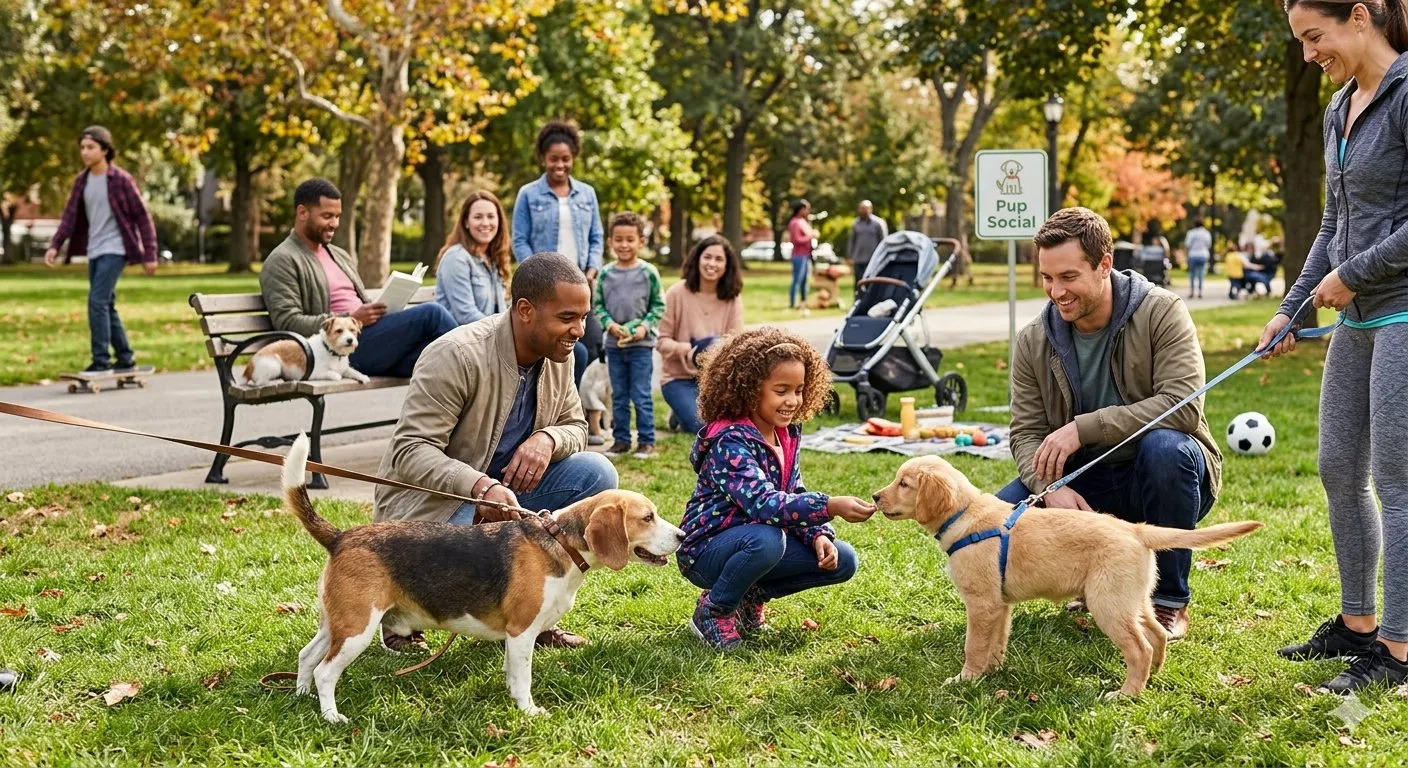
The prime socialization window runs roughly from three to sixteen weeks, which overlaps awkwardly with the vaccine series. You don't have to choose between safety and confidence. You just have to be creative.
Safe Ways to Socialize
- Carry your puppy in a sling or backpack through busy areas so they can watch the world without touching the ground.
- Invite healthy, fully vaccinated adult dogs to your fenced yard.
- Introduce new sounds at home: vacuum cleaners, doorbells, delivery trucks.
- Practice gentle handling of paws, ears, and mouth to prepare for vet and groomer visits.
- Enroll in a puppy class that requires proof of vaccination.
Reward-based skills help here too. A tool like clicker training turns new experiences into positive ones and makes those early outings far less overwhelming.
When Walks Can Start
A common guideline is to wait ten to fourteen days after the final vaccine before visiting dog parks, pet stores, and public sidewalks that other dogs use. Your vet knows the disease levels in your area and may shorten or extend that wait.
Possible Side Effects
Most puppies sail through vaccine day. A little sleepiness is normal, and some feel tender around the injection spot.
Usually mild and short-lived:
- Low energy for a day
- Mild soreness or a small lump at the injection site
- Slightly reduced appetite
- Light sneezing after an intranasal vaccine
Call your vet right away if you see:
- Facial swelling, hives, or itching
- Repeated vomiting or diarrhea
- Difficulty breathing
- Collapse or extreme weakness
Serious reactions are rare and typically appear within minutes to hours. Staying nearby for the rest of the day after each appointment is a smart habit.
Late, Missed, or Unknown Vaccine History
What If You Miss a Dose?
Life happens. If your puppy is a week or two late, your vet may simply continue the series. If a longer gap has passed, the series might need to restart. Either way, call the clinic as soon as you notice rather than waiting for the next scheduled visit.
Adopting an Older Puppy
Shelter and rescue puppies sometimes arrive with partial or missing records. In that case, your vet will typically start fresh, treating the puppy as unvaccinated. It's a slightly longer route but a safe one.
Does Breed Change the Plan?
The core schedule stays much the same across breeds, but size and genetics can affect how your vet approaches timing and aftercare. Some large breeds are often described as more vulnerable to severe parvo, and tiny toy breeds may be monitored more closely after shots. Still choosing a dog? The Dogzora Match Maker quiz narrows down breeds that suit your home and routine.
Vaccines are one pillar of health. Nutrition is another, and a well-fed puppy generally handles vet visits better. If you're comparing options, read how to choose the right diet for your dog's breed.
After Puppyhood: The Adult Dog Schedule
Once the puppy series and first booster are done, dogs move to a less frequent routine. How often should dogs be vaccinated? For core combination vaccines, many vets now use a three-year interval after the year-one booster. Rabies depends on local law and the product used, so how often dogs get rabies shots can be one year or three. Lifestyle vaccines like bordetella and leptospirosis are usually repeated yearly.
As for what shots dogs need yearly, that list is short: leptospirosis, bordetella, influenza, and Lyme in the right circumstances, plus rabies where required. A yearly wellness exam is worthwhile even when no vaccine is due.
Quick Puppy Vaccine Checklist
- Book the first appointment as soon as your puppy comes home.
- Bring any breeder or shelter records.
- Keep every dose spaced as your vet advises.
- Save the rabies certificate.
- Set a phone reminder for the one-year booster.
- Hold off on dog parks until your vet gives the green light.
- Watch your puppy for a few hours after each shot.
Final Thoughts
A solid vaccination plan is one of the kindest things you can do for a new puppy. Keep the dates organized, ask your vet plenty of questions, and enjoy the countdown to that first big walk. When you're ready for more, explore breed profiles, comparisons, and care guides at Dogzora.
Educational content only. Always follow your own veterinarian's advice for your puppy's exact schedule.