
Dog Breeds A–Z: Complete List of 300+ Breeds
Explore 300+ dog breeds from A to Z. Browse complete profiles with size, temperament, and physical traits, filter by group or size, compare breeds side by side, and take the Match Maker quiz to find the dog that truly fits your home, lifestyle, and energy level, all in one place.
Showing 1–24 of 77 breeds
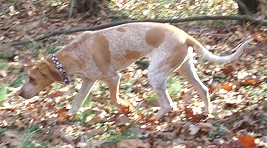

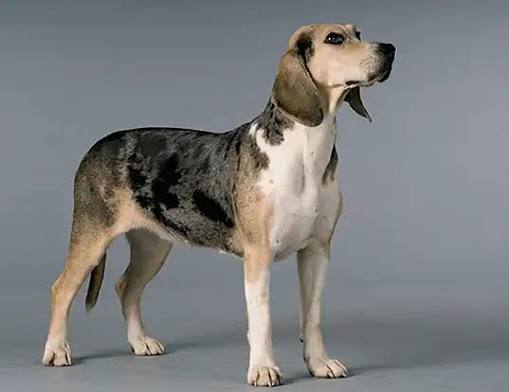
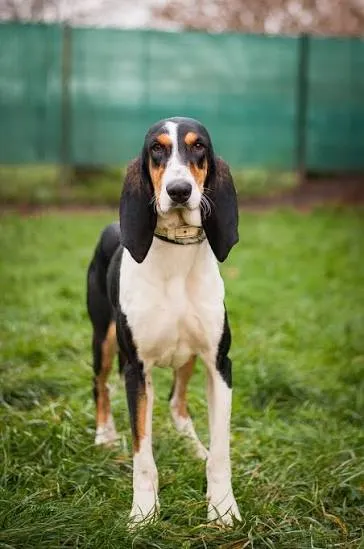

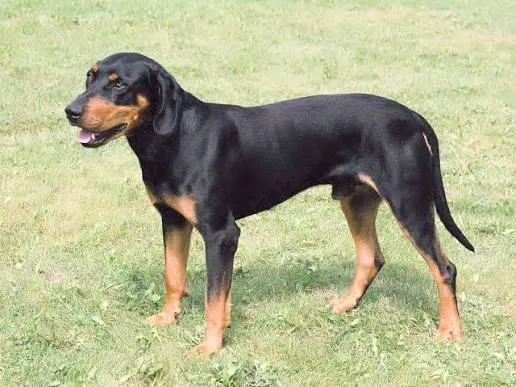
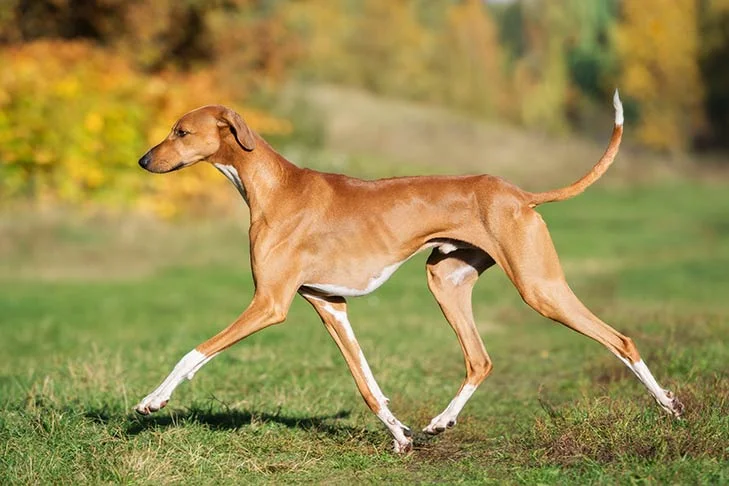


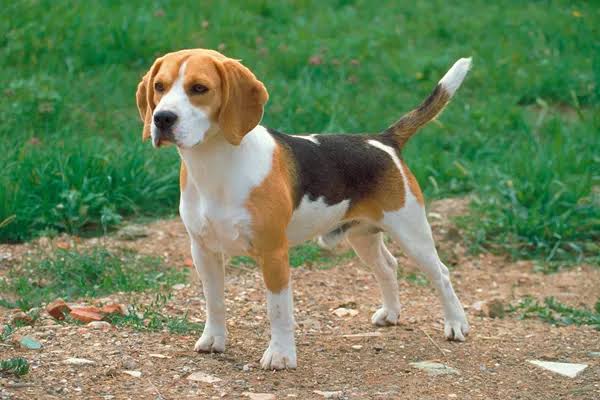
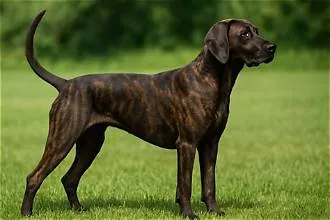
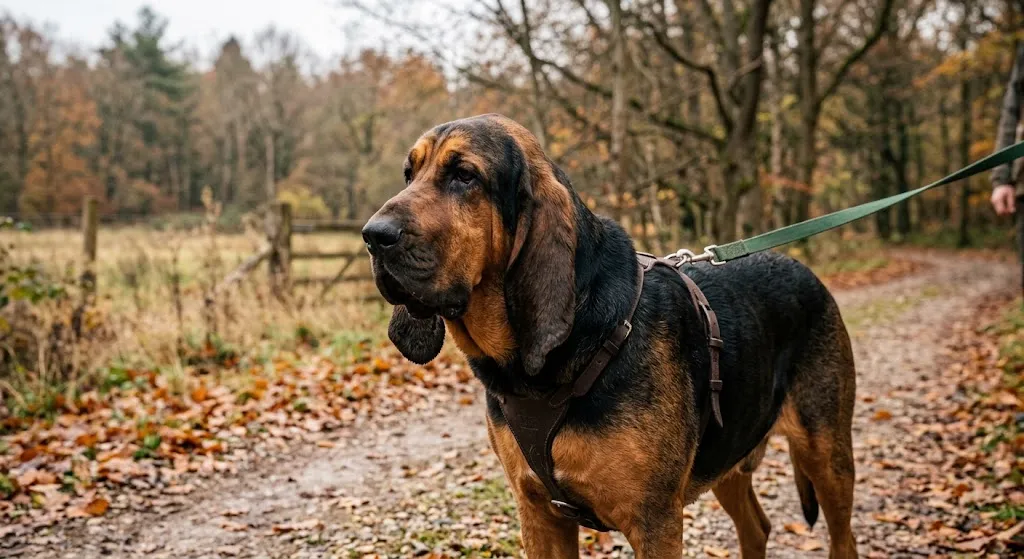

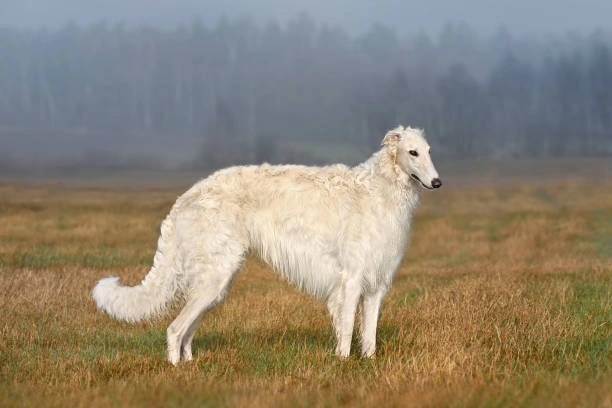

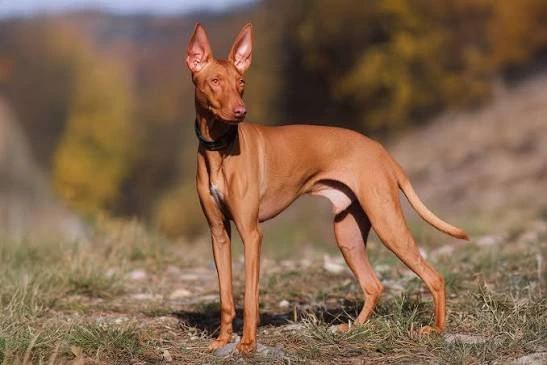

.webp)
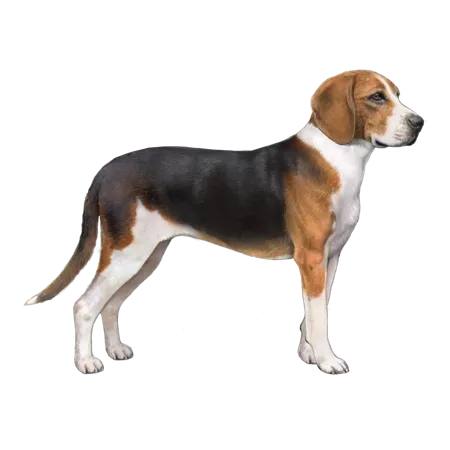
Choosing a dog starts with knowing your options. This directory lists more than 300+ dog breeds, from tiny toy companions to giant working dogs. Each breed has its own profile with size, temperament and key traits. You can browse alphabetically, filter by group or size, compare breeds side by side, or let the Match Maker quiz narrow the list for you.
Whether you are researching a first dog, looking up a breed you met at the park, or deciding between two favorites, this page is built to get you to the right profile quickly.
How to Use the Dogzora Dog Breeds Directory
The directory is designed for two kinds of visitors: people who already know the breed they want, and people who are still deciding.
Browse Breeds Alphabetically
Use the A–Z letter bar to jump straight to a breed by name. Every card shows the breed's group, three temperament words, and typical height and weight, so you can scan quickly before opening the full profile.
Filter by Group and Size
If you do not have a name in mind, filter by breed group or size. Combining both is the fastest way to turn hundreds of breeds into a short, relevant list. For example, choose Terrier and Small to see compact, spirited dogs.
Open a Full Breed Profile
Each profile goes deeper than the card. It covers physical traits, temperament and the details that matter for daily life with that breed.
The 7 Dog Breed Groups Explained
Kennel clubs such as the AKC organize breeds into seven groups based on the work each breed was originally developed to do. Knowing the group tells you a lot about a dog's instincts and energy before you read a single profile. The table gives a quick overview, and the sections below explain each group.
| Group | Originally bred for | Typical traits | Example breeds |
|---|---|---|---|
| Sporting | Finding and retrieving game | Friendly, trainable, energetic | Labrador Retriever, Cocker Spaniel |
| Hound | Tracking and chasing | Strong scent or sight instincts, independent | Beagle, Greyhound |
| Working | Guarding, sled pulling, rescue | Powerful, intelligent, loyal | Siberian Husky, Boxer, Great Dane |
| Terrier | Hunting vermin | Bold, alert, persistent | Airedale Terrier, Jack Russell Terrier |
| Toy | Companionship | Small, affectionate, often vocal | Pug, Maltese, Yorkshire Terrier |
| Non-Sporting | Varied roles | Diverse sizes and temperaments | Poodle, Dalmatian, French Bulldog |
| Herding | Moving and controlling livestock | Quick learners, high energy | Border Collie, German Shepherd, Corgi |
Sporting Group
Sporting breeds were developed to help hunters find and retrieve game. Retrievers, spaniels, setters and pointers belong here. They are usually friendly, trainable and energetic, and they need regular exercise.
Hound Group
Hounds were bred to track and chase. Scent hounds such as the Beagle and Bloodhound follow their noses. Sight hounds such as the Greyhound hunt by speed and vision. Expect strong instincts and, often, a stubborn streak on walks.
Working Group
Working breeds were bred for guarding, pulling sleds and rescue work. Breeds such as the Siberian Husky, Boxer, Rottweiler and Great Dane are powerful, intelligent and loyal. They do best with confident owners and consistent training.
Terrier Group
Terriers were developed to hunt vermin. They are alert, feisty and persistent. Airedale Terriers, Scottish Terriers and Jack Russell Terriers all show the bold, energetic personality the group is known for.
Toy Group
Toy breeds are small companions bred for close contact with people. Pugs, Maltese, Shih Tzus and Yorkshire Terriers fit well in apartments, though many are more energetic and vocal than their size suggests.
Non-Sporting Group
This group is a varied mix of breeds that do not fit elsewhere, including the Bulldog, Dalmatian, Poodle and French Bulldog. Sizes and temperaments differ widely, so check each profile individually.
Herding Group
Herding breeds were developed to move and control livestock. Border Collies, German Shepherds and Corgis are quick learners, but they need real exercise and mental work to avoid boredom.
Dog Breeds by Size
Size affects space, food costs, exercise needs and even which homes will accept the dog. Our directory sorts breeds into five size categories, and the table below gives a quick overview before you read each one in detail.
| Size | Typical weight | Example breeds | Best suited for |
|---|---|---|---|
| Toy | Under about 10 lb | Chihuahua, Pomeranian | Small homes, calm households |
| Small | About 10–25 lb | Dachshund, French Bulldog | Apartments, city living |
| Medium | About 25–50 lb | Cocker Spaniel, Border Collie | Active families, mixed-size homes |
| Large | About 50–100 lb | Labrador Retriever, German Shepherd | Homes with space and daily exercise |
| Giant | Over about 100 lb | Great Dane, Saint Bernard | Experienced owners with room and budget |
Toy Breeds
Toy dogs are the smallest category. Chihuahuas and Pomeranians are typical examples. They suit small homes but can be fragile around young children.
Small Breeds
Small breeds such as the Dachshund and French Bulldog are sturdy enough for family life while still fitting easily in apartments.
Medium Breeds
Medium dogs, including the Cocker Spaniel, Australian Shepherd and Border Collie, balance manageable size with strong energy and trainability.
Large Breeds
Labrador Retrievers, Golden Retrievers and German Shepherds are large breeds known as active family dogs. They need space, daily exercise and early training.
Giant Breeds
Giant breeds such as the Great Dane, Mastiff and Saint Bernard are gentle but demanding. They cost more to feed and care for, and many have shorter lifespans than smaller dogs.
Popular Dog Breeds to Start Your Search
If you are not sure where to begin, these well-known breeds are common starting points for different lifestyles.
Family-Friendly Dog Breeds
Labrador Retrievers, Golden Retrievers and Beagles are known for friendly, patient personalities that often suit homes with children.
Dog Breeds for Apartments
French Bulldogs, Cavalier King Charles Spaniels and Shih Tzus adapt well to smaller spaces, provided they still get daily walks and attention.
Dog Breeds for First-Time Owners
Poodles, Labradors and Cavalier King Charles Spaniels are often recommended to beginners because they tend to be eager to please and respond well to training.
Dog Breeds for Active Households
Border Collies, Australian Shepherds and Vizslas thrive with runners, hikers and anyone who can give them a job and plenty of exercise.
What to Consider Before Choosing a Breed
A breed's looks are only part of the story. These factors shape daily life with your dog for a decade or more.
Energy and Exercise Needs
Match the breed's energy to your own. A high-energy dog in a low-activity home often becomes destructive or anxious.
Grooming and Shedding
Coat type decides how much brushing, trimming and cleaning you will do. Long or double coats take more time. Some breeds shed heavily at certain seasons.
Temperament and Trainability
Read the temperament traits on each card and profile. Independent breeds may take longer to train, while people-focused breeds usually learn faster.
Size, Space and Lifespan
Think about your living space, budget and long-term plans. Larger dogs need more room and food, and lifespan varies noticeably between breeds.
Breed-Specific Health Considerations
Some breeds are more prone to particular health problems. Research the breed before committing, and talk to your vet or a reputable breeder about what to expect.
Purebred, Hybrid and Rare Breeds in the Directory
Our directory covers more than the best-known purebreds, so it helps to understand what you are looking at.
Recognized Purebred Breeds
These breeds have established standards and are usually recognized by kennel clubs, with predictable size and temperament.
Hybrid and Designer Breeds
Hybrid breeds such as the Pomsky come from crossing two breeds. Their size and personality can vary more from dog to dog, so treat profile details as typical ranges, not guarantees.
Rare and Regional Breeds
Rarer breeds such as the Africanis and Alopekis are less common outside their regions. They are worth a look if you want something different, though finding breeders or rescues may take effort.
Compare Dog Breeds Side by Side
Stuck between two or three breeds? The Compare tool lets you select up to three breeds from the grid and view their size, group and temperament next to each other. Use it to settle questions such as which breed is calmer, smaller or easier to train.
Find Your Perfect Match With the Match Maker Quiz
If a long list feels overwhelming, take the Match Maker quiz. It asks about your lifestyle, home and preferences, then suggests breeds that fit. It is a quick way to build a shortlist, which you can then explore in each breed profile and double-check with the Compare tool.
Start Exploring Dog Breeds A–Z
Pick a letter, choose a group, or filter by size and open the profiles that interest you. Every breed has strengths and trade-offs, and the right dog is the one whose needs match your home, time and energy.